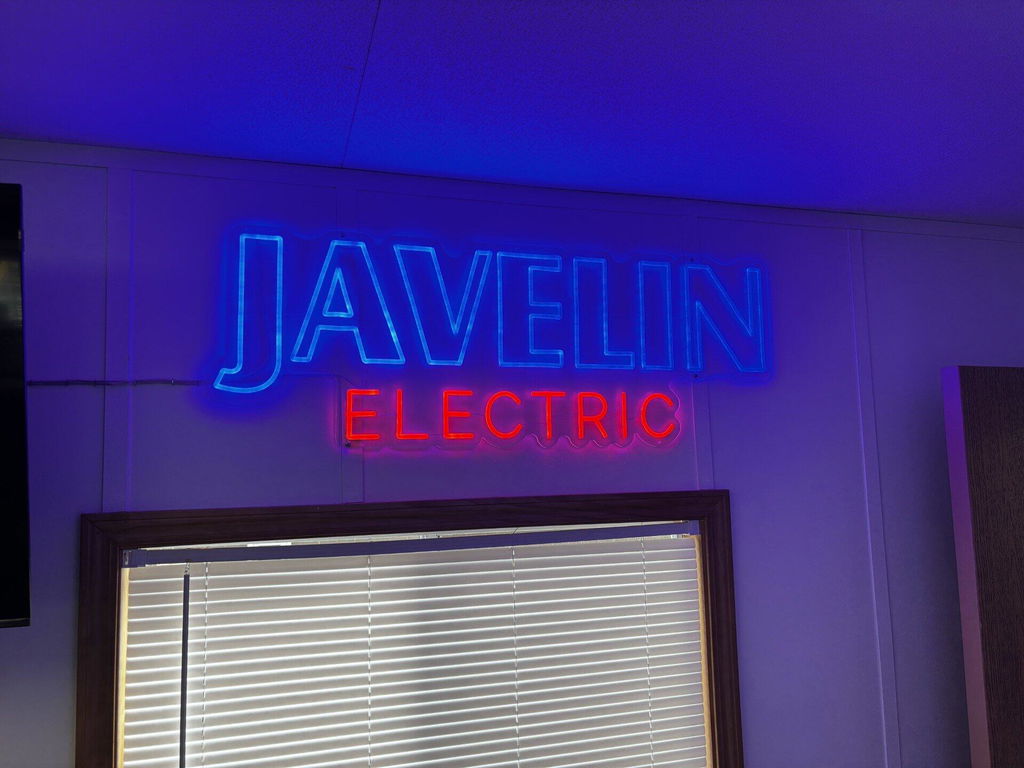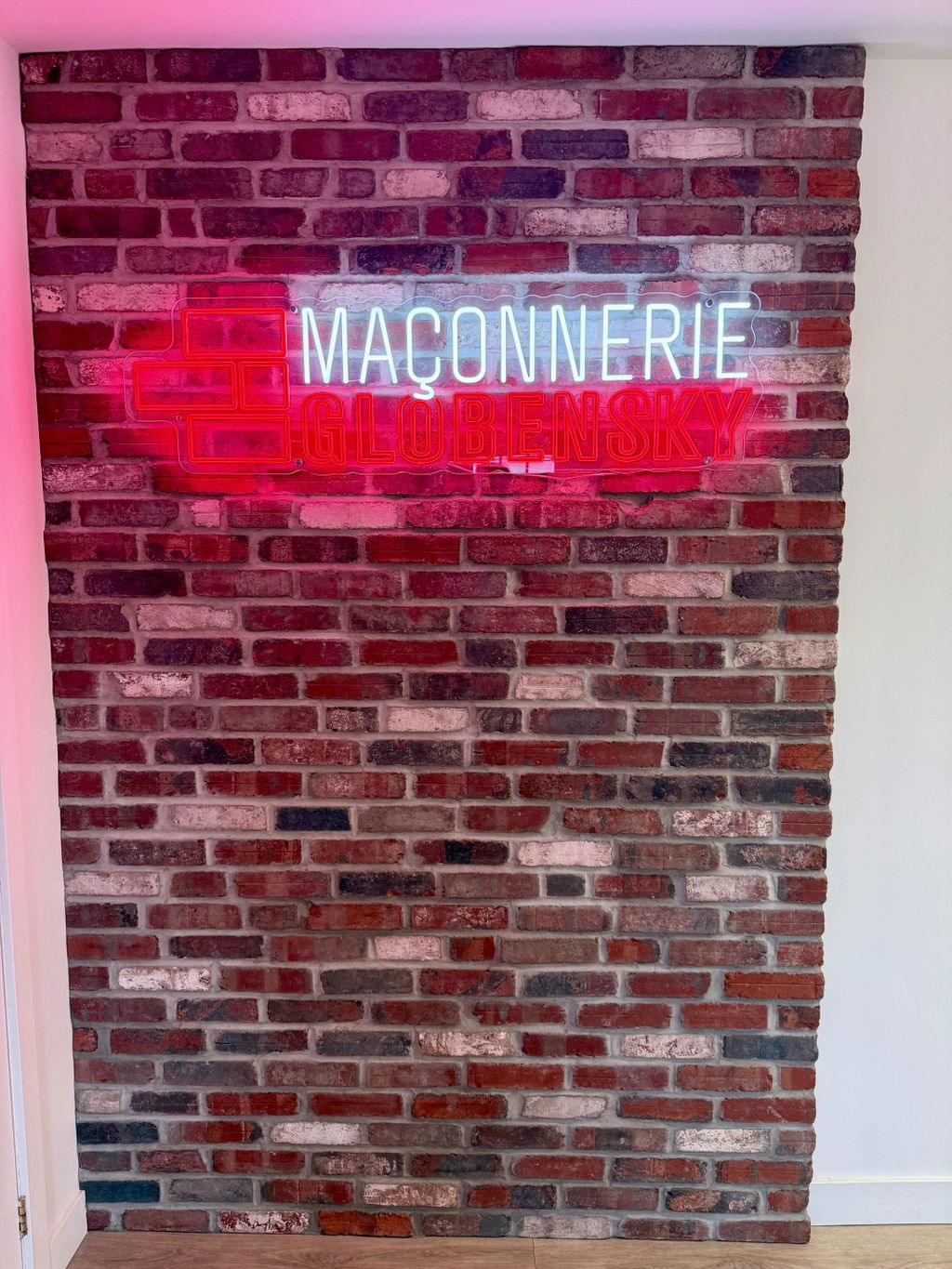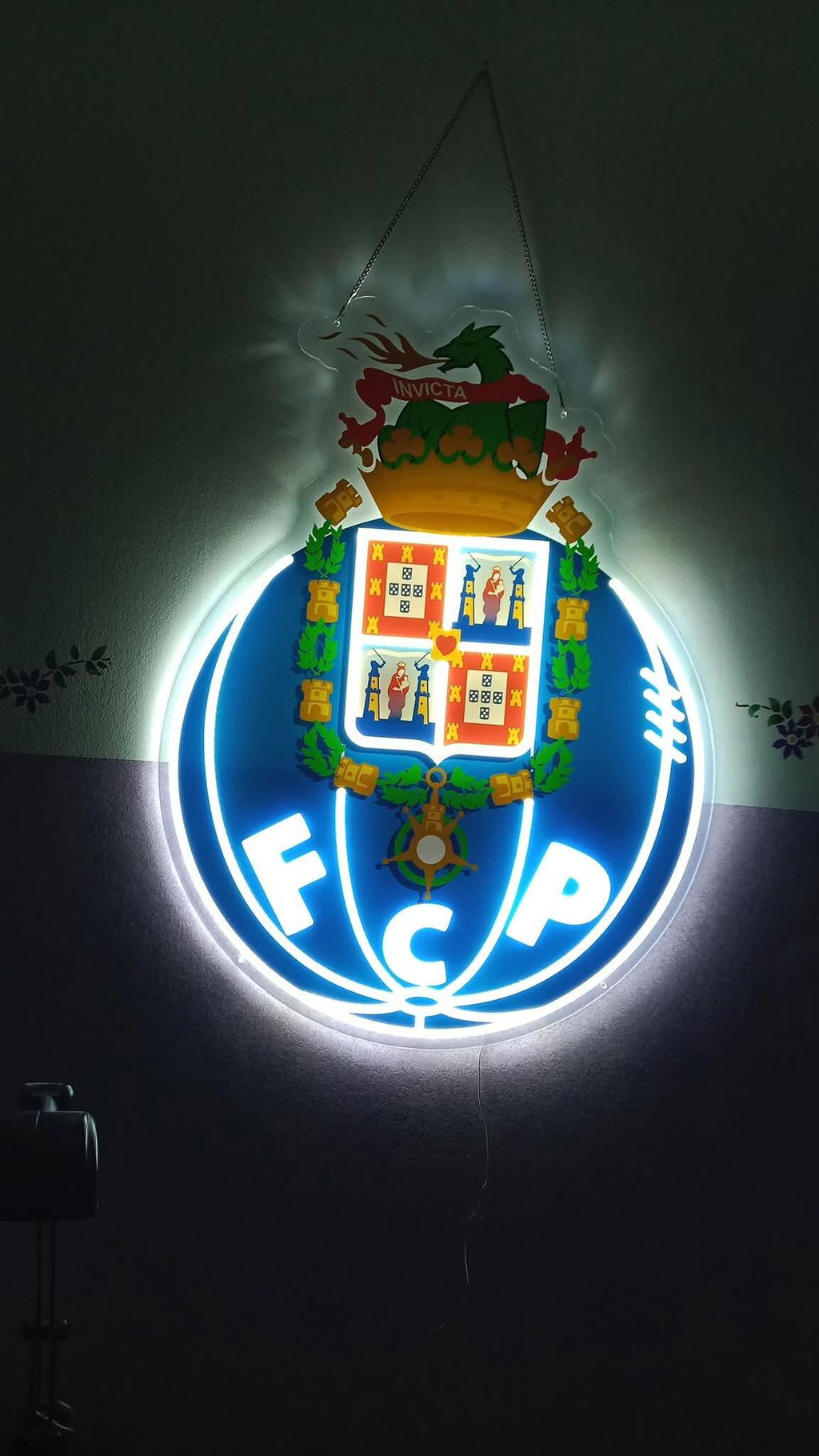
If you're buying a lit sign for a Canadian business, the mark on the label matters more than most suppliers let on. In Ontario, electrical products have to be approved before they can legally be sold, and "approved" has a specific meaning: the product carries a certification mark or a field evaluation label from an organization accredited by the Standards Council of Canada (Electrical Safety Authority, Recognized Certification Marks).
That single sentence rules out a lot of what's sold online. It also explains why two signs that look identical can have very different outcomes when an inspector, a landlord, or an insurer takes a closer look.
This guide covers what CSA certification actually means in Canada, how CSA, UL, cUL and cETL relate to each other, and the one supplier claim that catches people out more than any other.
Key Takeaways
- CSA is the mark most Canadian buyers and inspectors look for, though it isn't the only one that's valid here.
- What matters legally isn't the brand on the mark — it's whether the certifying body is accredited by the Standards Council of Canada (SCC).
- The Canadian standard for lit signs is CSA C22.2 No. 207, "Electric Signs and Displays", which covers both LED and high-voltage neon tube signs.
- "Built with UL components" is not the same claim as "this sign is certified." Component recognition applies to parts, not finished assemblies.
- If a sign arrives uncertified, some provinces allow a field evaluation — an inspection of that individual unit — but you pay for it, and it can fail.
Why Does Certification Matter for a Sign?
Because certification is where three separate risks meet: electrical safety, legal permission to install, and your insurance coverage.
A lit sign is permanently powered equipment, often mounted where people walk underneath it and frequently left running overnight with nobody in the building. That's a very different risk profile from a desk lamp. Canadian provinces treat it accordingly — British Columbia's Electrical Safety Regulation requires electrical equipment to bear either a mark or label from an SCC-accredited certification agency, or an approval label from the provincial authority (Technical Safety BC, Approved Certification Marks for Electrical Products).
Here's the part that stings. The certification question usually doesn't come up when you order. It comes up later — at the final electrical inspection on a storefront fit-out, during a lease compliance review, or after a claim, when an adjuster asks what was connected to the circuit. By then the sign is on the wall and the budget is spent.
For a decorative LED sign plugged into a wall outlet in a bedroom, none of this is likely to be tested. For anything commercial, hard-wired, outdoor, or in a leased space, assume it will be.
What Does CSA Certification Actually Mean?
CSA certification means an accredited certification body has tested samples of a product against a published Canadian safety standard and continues to audit the factory that makes it. The mark isn't a design award or a quality rating — it's evidence of conformity to a specific standard, verified by someone other than the manufacturer.
Two things are easy to get wrong here.
First, CSA Group is a certification body, not a government agency. Its authority in this context comes from accreditation: the Standards Council of Canada accredits both certification bodies and inspection bodies for electrical equipment, and provincial regulations point to that accreditation rather than naming one company. CSA happens to be the most recognised of those bodies in Canada, which is why its mark became shorthand for "approved."
Second, "CSA approved" isn't an official phrase, though it's what nearly everyone searches for. The accurate terms are certified (the product was evaluated and the factory is audited) and approved (the provincial authority accepts it for installation). They usually travel together, but they're not the same thing.
What the mark tells you in practice: the product type was evaluated against the right standard, the specific construction was assessed, and the manufacturer is subject to ongoing inspection rather than a one-time test.
Which Standard Applies to Lit Signs in Canada?
For signs specifically, the Canadian standard is CSA C22.2 No. 207, "Electric Signs and Displays." The current edition is 207:15, reaffirmed in 2020, which replaced an edition that had stood since 1989 (Standards Council of Canada, standards database entry for CSA C22.2 No. 207-15).
The scope is broader than many people assume. It applies to electric signs and display equipment for indoor or outdoor use in non-hazardous locations, and it explicitly covers outline lighting using high-voltage luminous discharge tubes — traditional neon — alongside incandescent, fluorescent, HID and LED light sources. Stationary and portable signs are handled in separate clauses, with different voltage limits for each.
The 2015 edition also tightened the LED side. When it took effect on 1 May 2017, certification bodies had to review existing sign listings against the revised requirements, and LED modules used in certified signs are required to comply with their own component standards — CAN/CSA-C22.2 No. 62031 or CSA C22.2 No. 250.13 (Intertek, standards update on CSA C22.2 No. 207).
Why does the standard number matter to a buyer? Because it's the single most useful question you can ask a supplier. "Is it certified?" invites a vague yes. "Which standard was it certified to, and by whom?" doesn't.
CSA, UL, cUL, cETL — Which One Do You Need?
More than one mark is valid in Canada. The test is accreditation, not brand.
| Mark | Issued by | Valid in Canada? |
|---|---|---|
| CSA | CSA Group | Yes — the most widely recognised here |
| cUL or cULus | UL Solutions | Yes — the small "c" denotes Canadian certification |
| cETL | Intertek | Yes |
| UL (no "c") | UL Solutions | US certification — not a Canadian mark on its own |
| CE | Self-declared by the manufacturer | No — European market, not third-party certification |
The "c" prefix is the detail that trips people up. UL Solutions is accredited by the Standards Council of Canada as both a certification and a testing organisation, and products certified for the Canadian market can carry the cUL mark (UL Solutions, compliance for the Canadian market). A plain UL mark with no "c" signals a US certification — which may well mean the product is competently built, but it isn't the Canadian evidence an inspector is looking for.
CE deserves its own warning. Unlike CSA, cUL and cETL, the CE mark is a manufacturer's own declaration of conformity with European requirements. No independent body has to test anything. It carries no weight whatsoever in Canada, and seeing it presented as a safety credential on a product sold here is a reasonable signal to look harder at everything else the supplier claims.
Our own CSA and UL certified light signs are grouped together for exactly this reason — so the question is answered before you order rather than after.
"Built With UL Components" Is Not a Certified Sign
This is the claim worth learning to spot, because it's technically true and commercially misleading at the same time.
UL operates two distinct programs. Listing applies to a complete end product: the whole assembly is evaluated, including the construction and performance of the components installed in it. Component Recognition applies to parts that are incomplete or limited in function and intended to be built into something else — and recognised components are specifically meant for factory installation in approved equipment, not field installation (EC&M, Recognized Versus Listed).
So a sign can honestly be described as "built with UL recognised components" while the finished sign has never been certified by anyone. The power supply was evaluated. The LED module was evaluated. The assembly — the wiring method, the enclosure, the strain relief, how it handles heat and moisture, the thing actually hanging on your wall — was not.
That's the distinction an electrical inspector cares about, and it's why phrasing like "UL components," "UL approved," "UL compliant" or "meets UL standards" should prompt a follow-up question rather than reassurance. A certified sign has a certification mark on the product and a file number behind it. Anything else is a description of its parts.
Who Is Allowed to Put the Mark On?
Only the certification body, or a manufacturer operating under that body's certification agreement and audit program.
That last part matters, because it's where most of the ongoing value sits. Certification isn't a one-time test that a manufacturer passes and then forgets. The certifying body conducts periodic factory inspections to confirm that what's being produced still matches what was certified. A manufacturer who applies a mark outside that arrangement is misrepresenting the product, not cutting a corner.
Which is also why a mark is verifiable. Every legitimate certification sits in the certifying body's own database, searchable by file number or company name. If a supplier can't give you a file number, a certifying body, and a standard, you don't have a certified product — you have a claim about one.
Note too that certification marks and the accreditation behind them change over time; Technical Safety BC's own bulletin cautions that changes to accreditation of certification bodies, or to their markings, can happen without notice. Checking the current list on a provincial authority's site beats relying on a mark you half-remember.
What an Inspector Checks Beyond the Label
The mark gets the sign accepted as equipment. It doesn't get the installation approved — those are two separate hurdles, and plenty of certified signs fail on the second one.
What typically gets examined:
- Installation method. Is it hard-wired where it should be? Is the wiring method right for the location and enclosed properly?
- The circuit. Is the sign on an appropriate circuit, correctly protected, with a disconnecting means where one is required?
- Outdoor and wet-location suitability. Certification covers a defined use. An indoor-rated sign installed outside isn't certified for where it's sitting, no matter what mark it carries.
- Whether anything was modified. Swapping the supplied adapter for a generic one, splicing in an extension, or altering the mounting can take the installation outside what was certified.
- Who did the work. Commercial and hard-wired installations generally need a licensed electrical contractor, and often a permit.
If a sign turns up without an acceptable mark, there is usually a route forward — but it's the expensive one. Ontario treats products without approval markings as unapproved and therefore subject to special inspection, and the ESA's field evaluation program applies labels to individual units that pass (Electrical Safety Authority). A field evaluation inspects the one unit in front of the inspector. You pay for it, you wait for it, and it can fail — at which point you own a sign you can't install.
What This Means for LED Neon Specifically
LED neon is genuinely lower-risk than the glass kind, and that's worth saying plainly rather than pretending all lit signs are equally hazardous.
An LED neon sign runs on low voltage at the sign itself — typically 12 or 24 volts — with a power supply converting mains voltage upstream. Traditional glass neon runs on a high-voltage transformer feeding gas-filled tubing, which is why C22.2 No. 207 addresses high-voltage luminous discharge tubes as their own category. If you're weighing the two, our comparison of flex neon versus glass neon covers the practical differences.
Lower risk doesn't mean the certification question goes away. It shifts where it lands:
- The power supply is the critical component. It's the part converting mains voltage, the part that runs warm, and the part that fails first. An uncertified adapter is the most common weak point in an otherwise decent sign.
- Outdoor use changes the requirement. Certification is tied to a rated environment. Indoor certification doesn't transfer outside.
- Replacing the adapter can undo the certification. A generic replacement at the wrong voltage or without a recognised mark takes the sign outside what was evaluated — something worth knowing before troubleshooting a fault yourself.
- Hard-wiring a plug-in sign is a modification. It's common on commercial installs and it needs an electrician, not a workaround.
Build quality and certification tend to correlate, though they're not the same thing — our look at how durable LED neon signs really are sets out what actually determines lifespan.
Before You Order: Questions to Ask Any Supplier
Five questions, and the answers tell you most of what you need to know.
- Is the finished sign certified, or are the components? The single most useful question on this list. A clear answer either way tells you who you're dealing with.
- Which certifying body, and what's the file number? Certification is verifiable. Ask for the reference.
- Which standard was it certified to? For a sign in Canada, you're looking for CSA C22.2 No. 207 or its US counterpart with Canadian certification alongside it.
- Is the mark valid in Canada? CSA, cUL or cETL — from an SCC-accredited body. Not CE, and not a plain UL mark on its own.
- Is it certified for where I'm installing it? Indoor, outdoor, wet location. These are different ratings.
If you're ordering a commercial or outdoor sign, add a sixth: ask what the supplier provides for your electrical inspection. A supplier used to commercial work will have an answer ready.
We've written up our own approach to this on our CSA certification and safety page, including what we certify and why.
Frequently Asked Questions
Is a UL listed sign acceptable in Canada?
Look for the small "c" — a cUL or cULus mark indicates certification for the Canadian market, which is what matters here. UL Solutions is accredited by the Standards Council of Canada as a certification and testing organisation, so its Canadian certifications are valid. A plain UL mark with no "c" is a US certification and isn't Canadian evidence on its own.
What's the difference between CSA certified and CSA approved?
"Certified" is the accurate term: an accredited body tested the product against a standard and audits the factory that builds it. "Approved" refers to the provincial authority accepting the equipment for installation. In everyday use the two get blended together, but if you're asking a supplier a precise question, ask whether the product is certified and by whom.
Do I need a certified sign for home use?
For a plug-in decorative sign indoors at home, the certification question rarely gets formally tested. It's still the main thing standing between you and an uncertified power supply running unattended overnight. For anything commercial, outdoor, hard-wired, or in a leased space, treat certification as a requirement rather than a preference.
Is the CE mark good enough?
No, not in Canada. CE is a manufacturer's own declaration of conformity with European requirements — no independent certification body has to be involved. It's not equivalent to CSA, cUL or cETL, and it carries no standing with a Canadian electrical inspector. Seeing it offered as a safety credential here is worth treating as a warning sign.
What happens if my sign isn't certified?
Where a product lacks acceptable approval markings it's treated as unapproved and becomes subject to special inspection. Some provinces offer a field evaluation, where an inspector assesses that individual unit and applies a label if it passes. It's at your cost, it takes time, and it can fail — which is why sorting certification out before ordering is considerably cheaper than after.
The Short Version
Ask whether the sign is certified, not whether its parts are. Check that the mark comes from an SCC-accredited body — CSA, cUL or cETL. Confirm it's certified for where you're installing it. And get the certifying body and file number in writing, because a certification you can't verify isn't one.
Browse our CSA and UL certified signs, or talk to our team about a project that needs to clear an electrical inspection. If you're specifying a custom build, our custom LED neon signs start from your artwork.
Sources
- Electrical Safety Authority, Recognized Certification Marks, retrieved 2026-10-15, https://esasafe.com/electrical-products/recognized-certification-marks/
- Technical Safety BC, Approved Certification Marks for Electrical Products, retrieved 2026-10-15, https://technicalsafetybc.ca/regulatory-resources/regulatory-notices/approved-certification-marks-electrical-products
- Standards Council of Canada, CSA C22.2 No. 207-15, Electric Signs and Displays, retrieved 2026-10-15, https://scc-ccn.ca/standardsdb/standards/4028023
- Intertek, Standards Update: CSA C22.2 No. 207, Electric Signs and Displays, retrieved 2026-10-15, https://www.intertek.com/standards-updates/csa-c22-2-no207-electric-signs-and-displays/
- UL Solutions, Compliance for the Canadian Market, retrieved 2026-10-15, https://www.ul.com/insights/compliance-canadian-market
- EC&M, Recognized Versus Listed, retrieved 2026-10-15, https://www.ecmweb.com/training/recognized-versus-listed
This guide explains how certification works in general terms. It isn't legal or code advice — requirements vary by province and by installation, and your local electrical authority has the final say on what's acceptable.